

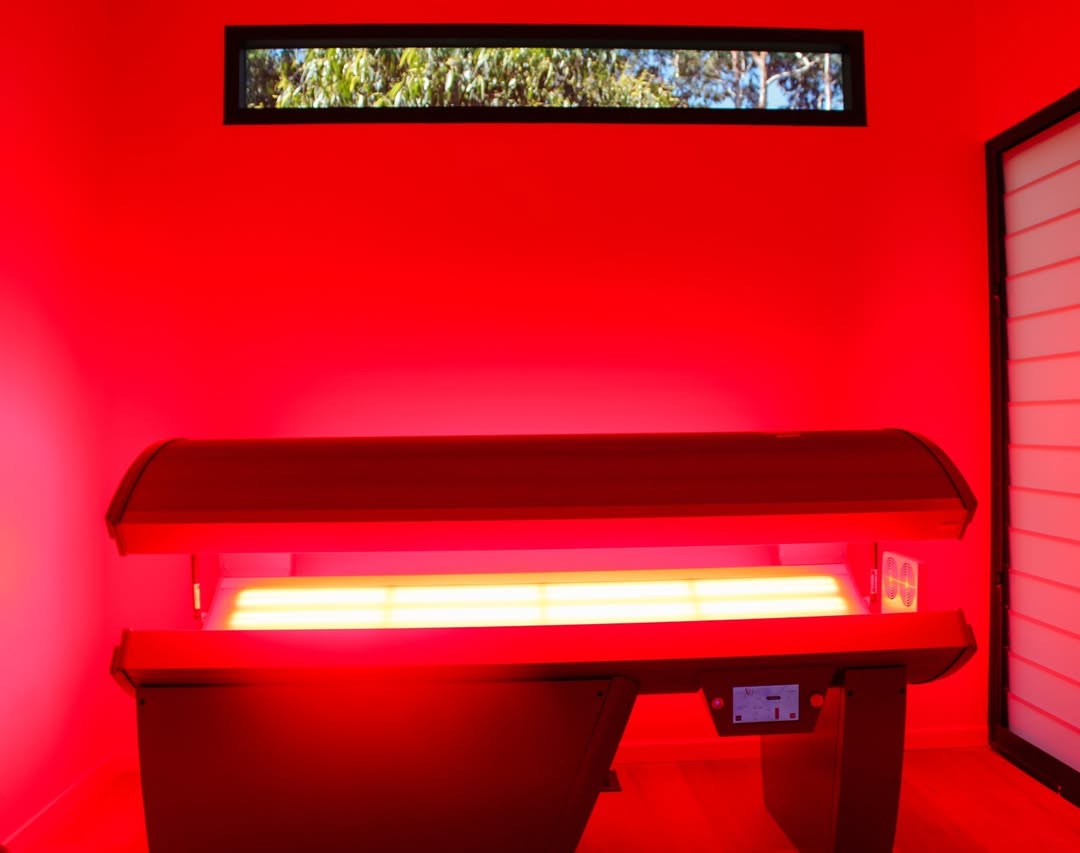
Light therapy devices have become an increasingly popular choice for people looking for safe, non-invasive ways to improve their physical and mental well-being. Using carefully selected wavelengths of light, these innovative devices are designed to support the body’s natural processes, making them useful for concerns such as low mood, poor sleep, skin conditions, and muscle recovery. As technology continues to evolve, light therapy devices are becoming more effective, affordable, and convenient for home use.
Whether you’re looking to boost your daily energy, improve your skincare routine, or support recovery after exercise, understanding how light therapy works can help you choose the right device for your lifestyle.
How Light Therapy Devices Work
Light therapy devices emit specific wavelengths of light that interact with the body’s cells. Different colors of light provide different benefits. Red light is commonly used to encourage collagen production, reduce inflammation, and support muscle recovery. Blue light is often recommended for treating acne by targeting bacteria on the skin’s surface. Bright white light is widely used to help regulate the body’s internal clock and relieve symptoms associated with seasonal changes in mood.
Most devices are designed for short daily sessions, allowing users to enjoy the benefits without disrupting their regular routine. Depending on the intended purpose, treatments may last anywhere from 10 to 30 minutes.
Popular Types of Light Therapy Devices
Today’s market offers a wide selection of light therapy devices designed for different wellness goals. Some of the most common options include:
Bright Light Therapy Lamps – Frequently used to improve mood, increase alertness, and support healthy sleep cycles.
LED Face Masks – Designed to improve skin appearance by reducing acne, fine lines, and uneven skin tone.
Red Light Therapy Panels – Popular for muscle recovery, joint comfort, and skin rejuvenation.
Handheld Therapy Devices – Compact and portable for targeted treatment of specific areas.
Wearable Light Therapy Products – Convenient options that allow users to receive treatment while performing everyday activities.
Each device is designed with specific light wavelengths to deliver targeted results depending on individual needs.
Benefits of Using Light Therapy Devices
Many people choose light therapy devices because they offer a drug-free approach to supporting overall wellness. Some of the most commonly reported benefits include:
Improved mood and emotional well-being
Better sleep quality and healthier sleep patterns
Reduced appearance of wrinkles and fine lines
Clearer skin with fewer acne breakouts
Faster muscle recovery after exercise
Temporary relief from minor muscle and joint discomfort
Increased energy and daytime alertness
Results can vary from person to person, and consistent use is often recommended to achieve the best outcomes.
Choosing the Right Light Therapy Device
When selecting a light therapy device, consider your primary health goal. Those seeking mood support may benefit from a bright light lamp, while skincare enthusiasts often prefer LED facial masks. Individuals focused on recovery or inflammation may find red light therapy panels to be a better option.
It’s also important to evaluate factors such as light intensity, treatment area, safety certifications, ease of use, adjustable settings, and manufacturer reputation. Reading customer reviews and following the recommended treatment guidelines can help maximize effectiveness.
Tips for Safe and Effective Use
To get the most from light therapy devices:
Follow the manufacturer’s instructions carefully.
Use the device consistently according to the recommended schedule.
Avoid looking directly into bright light sources unless the device is specifically designed for eye exposure.
Keep the device clean and properly maintained.
Consult a healthcare professional before use if you have eye conditions, light sensitivity, or are taking medications that increase sensitivity to light.
Responsible use helps ensure both safety and optimal results.
Conclusion
Light therapy devices continue to transform the way people approach personal health and wellness. With applications ranging from improving mood and sleep to enhancing skin health and supporting recovery, these devices provide a convenient and non-invasive option for everyday care. As research and technology continue to advance, light therapy devices are becoming an increasingly valuable addition to modern wellness routines. By selecting the right device and using it consistently, individuals can enjoy a simple yet effective method for supporting both physical and mental well-being.