


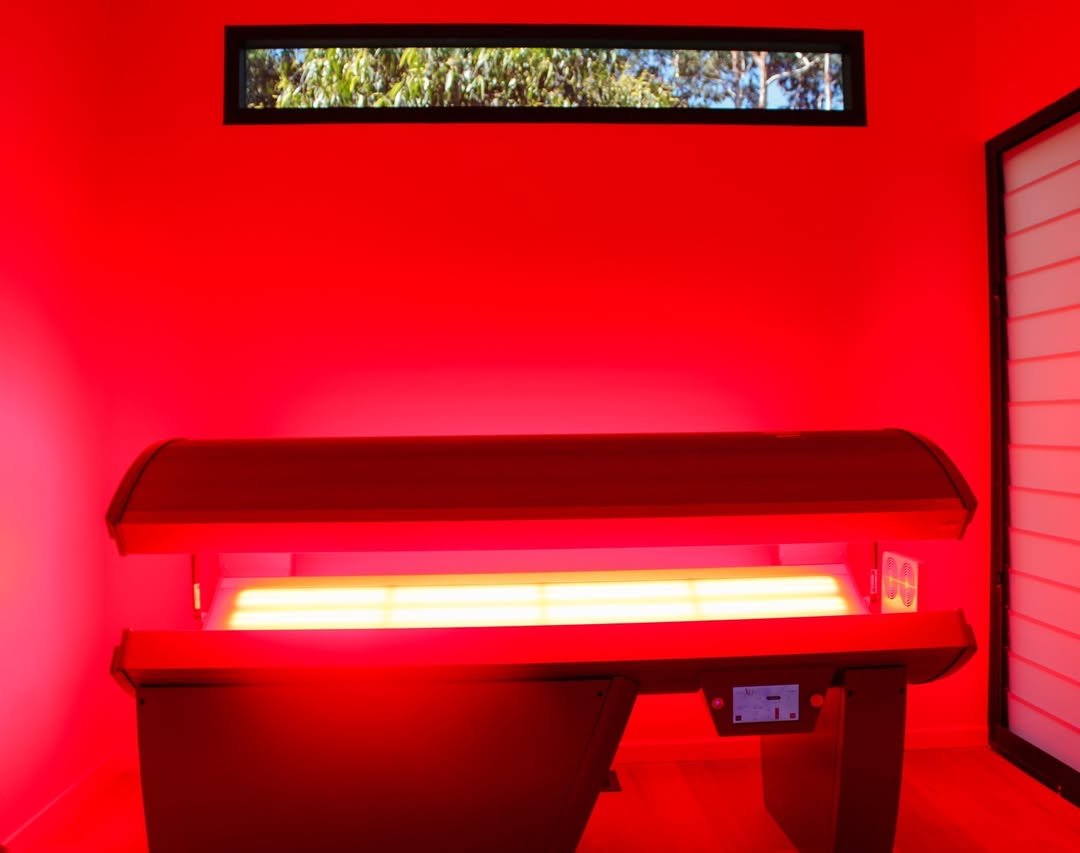
Red light therapy has gained considerable attention in the wellness and skincare industries as people look for non-invasive ways to support skin health, relaxation, and physical recovery. Using specific wavelengths of red and near-infrared light, this technology is designed to interact with biological processes in the body. Full body red light therapy beds take this approach a step further by allowing larger areas of the body to receive light exposure during a single session, making them an appealing option for wellness centres, beauty clinics, and recovery facilities.
As interest in preventive wellness and advanced skincare continues to grow, light-based treatments are becoming more visible in professional environments. These treatments offer an alternative for individuals interested in exploring modern wellness technologies without undergoing invasive procedures. Understanding how full body red light therapy works, what benefits have been studied, and which safety considerations matter can help consumers and business owners make informed decisions.
Understanding the Benefits of Red Light Therapy
Red light therapy is commonly associated with skin-focused treatments and certain applications involving physical recovery. Red wavelengths are studied for their potential effects on skin appearance, including collagen-related processes and the visible signs of ageing. Near-infrared wavelengths can penetrate deeper into tissue than visible red light, and researchers continue to investigate their possible effects on cellular activity and recovery.
Some people explore red light therapy as part of a broader routine intended to support skin care, relaxation, or post-exercise recovery. However, outcomes vary according to the device, wavelength, treatment protocol, and individual circumstances. Evidence is stronger for some applications than others, so results should not be assumed or guaranteed. Red light therapy should also not replace medical assessment or established treatment for persistent pain, injuries, or other health conditions.
How Full Body Red Light Therapy Technology Works
Full body red light therapy systems use arrays of light-emitting diodes to deliver selected wavelengths across a larger area than many handheld devices or facial masks. Depending on the design, users may lie inside a therapy bed while the equipment delivers light according to a recommended treatment protocol. This format can make it easier to provide consistent coverage across different parts of the body.
At the cellular level, photobiomodulation is the term commonly used to describe how certain wavelengths of light may influence cellular signalling and energy-related processes. Researchers are investigating how these effects may relate to inflammation, tissue responses, and other biological functions. Nevertheless, the effects depend on the wavelength, light intensity, exposure duration, and treatment frequency. More exposure does not necessarily produce better results, making it important to follow the manufacturer’s instructions and avoid unsupported treatment claims.
Why Consider Investing in a Full Body Red Light Therapy Machine?
For wellness businesses, adding light therapy equipment may create an opportunity to expand existing services and respond to customer interest in technology-based treatments. Before investing in a full body red light therapy machine, business owners should carefully evaluate the device’s specifications, intended applications, operating requirements, and manufacturer support. These factors help determine whether the equipment fits the facility’s service model and customer needs.
Practical considerations are equally important. A full body therapy bed may require dedicated floor space, suitable electrical connections, routine cleaning, and clear operating procedures. Buyers should also assess the warranty, maintenance requirements, staff training, and availability of technical assistance. Understanding the total cost of ownership, rather than focusing solely on the initial purchase price, can support more realistic business planning.
For individual consumers, choosing a device requires similar attention to safety, usability, and evidence. It is worth checking whether the equipment is intended for home or professional use and whether its treatment recommendations are supported by clear documentation. A more sophisticated design does not automatically mean a treatment will be more effective.
Integrating Red Light Therapy Into a Wellness Routine
Consistency and appropriate use are important when incorporating red light therapy into a wellness routine. Users should follow the device’s recommended session duration, positioning instructions, and treatment frequency. Protective eyewear should be used whenever specified by the manufacturer, and individuals should avoid looking directly at intense light sources.
Red light therapy can be considered alongside other healthy lifestyle practices, including regular physical activity, balanced nutrition, adequate sleep, and appropriate skin care. It should not be treated as a substitute for these foundations of well-being. Individuals with photosensitivity, relevant eye conditions, or medications that increase sensitivity to light should consult a qualified healthcare professional before using a device. Anyone experiencing unexpected discomfort or irritation should stop treatment and seek appropriate advice.
Safety, Expectations, and Professional Guidance
Although red light therapy is generally considered non-invasive, safety depends on the equipment and how it is used. Consumers should look for clear instructions, appropriate safety information, and specifications that identify the device’s wavelengths and recommended exposure levels. Professional facilities should establish consistent operating procedures and ensure that staff understand the equipment’s limitations.
It is also important to maintain realistic expectations. Some studies suggest potential benefits for particular skin or tissue-related applications, but the quality of evidence and the effectiveness of specific devices vary. Claims involving guaranteed pain relief, rapid healing, increased energy, or broad improvements in overall health should be evaluated carefully. Individuals experiencing ongoing symptoms should seek medical advice instead of relying exclusively on light-based treatments.
Conclusion
Full body red light therapy represents an evolving area of wellness technology, combining selected red and near-infrared wavelengths with equipment designed to treat larger areas of the body. Its potential applications in skincare and certain recovery-related settings have contributed to growing interest among consumers and professional service providers.
Choosing the right equipment requires careful research, realistic expectations, and attention to safety. Whether exploring a therapy bed for personal wellness or considering one for a professional facility, it is important to understand the available evidence, operating requirements, and intended uses. By making informed decisions and following appropriate guidance, users can better determine whether full body red light therapy is a suitable addition to their wellness or business plans.

