


Modern skincare is constantly evolving, with new technologies making it easier for people to address common skin concerns without invasive procedures. Among these developments, LED light therapy has become a popular option for individuals interested in improving their skin’s appearance and maintaining a consistent beauty routine. From reducing the appearance of fine lines to supporting acne management, LED light therapy offers a versatile approach to skincare for different needs and skin types.
LED therapy devices use specific wavelengths of light to interact with skin cells and support natural biological processes. Their growing availability has made this technology accessible in professional beauty clinics, aesthetic centres, and home skincare environments. As more people explore technology-based treatments, understanding how LED devices work and how they can complement existing skincare practices is essential.
How LED Light Therapy Supports Skin Health
LED light therapy uses different colours and wavelengths to address particular skin concerns. Each wavelength interacts with the skin differently, which allows users to select treatments based on their individual skincare goals.
Red light is commonly associated with supporting collagen production and improving the appearance of fine lines and wrinkles. Blue light is frequently used in acne-focused treatments because it can target bacteria associated with breakouts. Near-infrared light is another option found in certain devices and is designed to penetrate deeper into the skin.
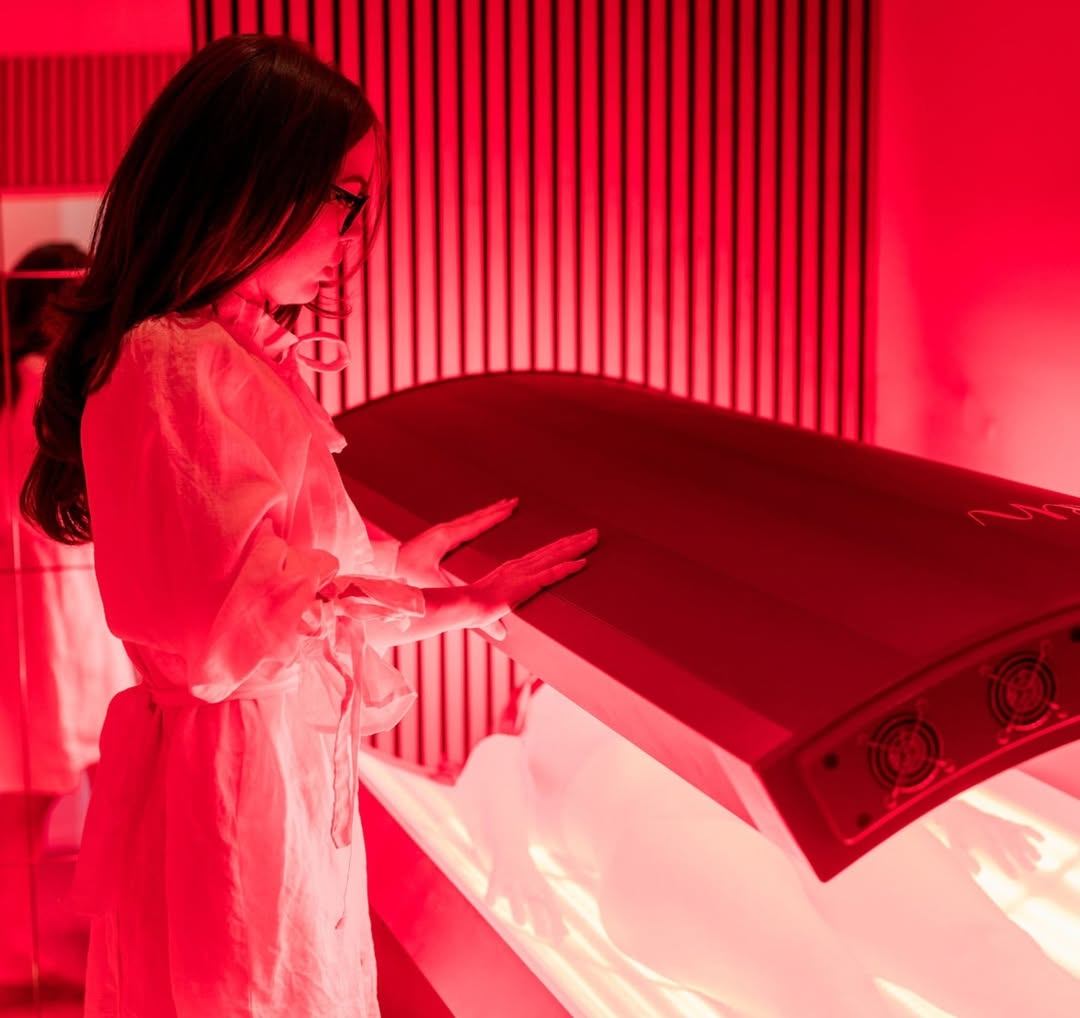
The results can vary depending on the device specifications, treatment settings, and individual skin characteristics. For skincare businesses looking to expand their treatment offerings, exploring a full range of LED light therapy machines can help identify suitable equipment for different professional applications and customer requirements.
Selecting an LED Device for Your Skincare Needs
Choosing the right LED light therapy device involves more than simply selecting a product based on its appearance or price. Different machines offer different wavelengths, treatment areas, intensity settings, and operating features.
LED face masks are often selected for personal use because they provide convenient facial coverage. Handheld devices offer more targeted applications, while larger LED panels can accommodate broader treatment areas. Professional systems may include adjustable treatment programmes and additional features designed for use in aesthetic environments.
Before purchasing a device, consider the manufacturer’s specifications, safety information, recommended treatment schedule, and intended application. People with photosensitivity or existing skin conditions should seek professional advice before starting light-based treatments.
Integrating LED Treatments Into Everyday Skincare
One of the reasons LED light therapy has gained attention is its relatively simple application. Many devices are designed to fit into existing skincare routines without requiring significant changes to everyday habits.
Begin by cleansing the skin to remove makeup, dirt, and excess oil. Use the LED device according to the manufacturer’s instructions, paying attention to the recommended session length and treatment frequency. Eye protection should be used whenever specified by the manufacturer.
After completing a session, apply suitable moisturising products to maintain skin hydration. A gentle cleanser, appropriate moisturiser, and daily sunscreen can help support an overall skincare routine.
It is important to avoid assuming that longer or more frequent sessions will produce faster improvements. Following the recommended usage guidelines is essential for maintaining a safe and consistent treatment routine.
The Growing Role of LED Technology in Professional Beauty Treatments
Beauty clinics and aesthetic professionals are increasingly exploring LED technology as an additional option within their treatment services. Its non-invasive nature and range of potential applications make it an interesting addition to existing skincare offerings.
Professional LED systems can provide different treatment configurations depending on their design and intended purpose. This allows practitioners to consider various approaches for clients concerned about acne, uneven skin appearance, or visible signs of aging.
However, selecting professional equipment requires careful evaluation. Treatment performance, device certifications, manufacturer guidance, maintenance requirements, and staff training should all be considered before introducing new equipment into a clinic.
Understanding Results and Maintaining Realistic Expectations
Although LED light therapy offers several potential skincare benefits, results are not identical for everyone. Factors such as age, skin type, treatment consistency, device quality, and the specific concern being addressed can influence the outcome.
Some individuals may notice gradual changes in their skin’s appearance after following a consistent treatment schedule, while others may require alternative or additional skincare approaches. LED devices should not be considered a replacement for medical treatment when dealing with persistent acne, significant skin conditions, or other concerns requiring professional attention.
Maintaining realistic expectations and choosing products supported by appropriate safety and performance information can help users make better decisions about incorporating this technology into their routines.
LED light therapy continues to influence the skincare industry by offering a technology-driven approach to addressing common skin concerns. With different wavelengths designed for different applications, these devices provide options for both personal skincare routines and professional beauty environments.
Whether the goal is to improve the appearance of fine lines, support acne management, or introduce additional treatments into an aesthetic clinic, selecting suitable equipment and following recommended usage guidelines are essential. As interest in non-invasive beauty technologies continues to grow, LED light therapy is likely to remain an important part of the evolving skincare landscape.